Department of Biomedical Engineering
Department of Biomedical Engineering

About
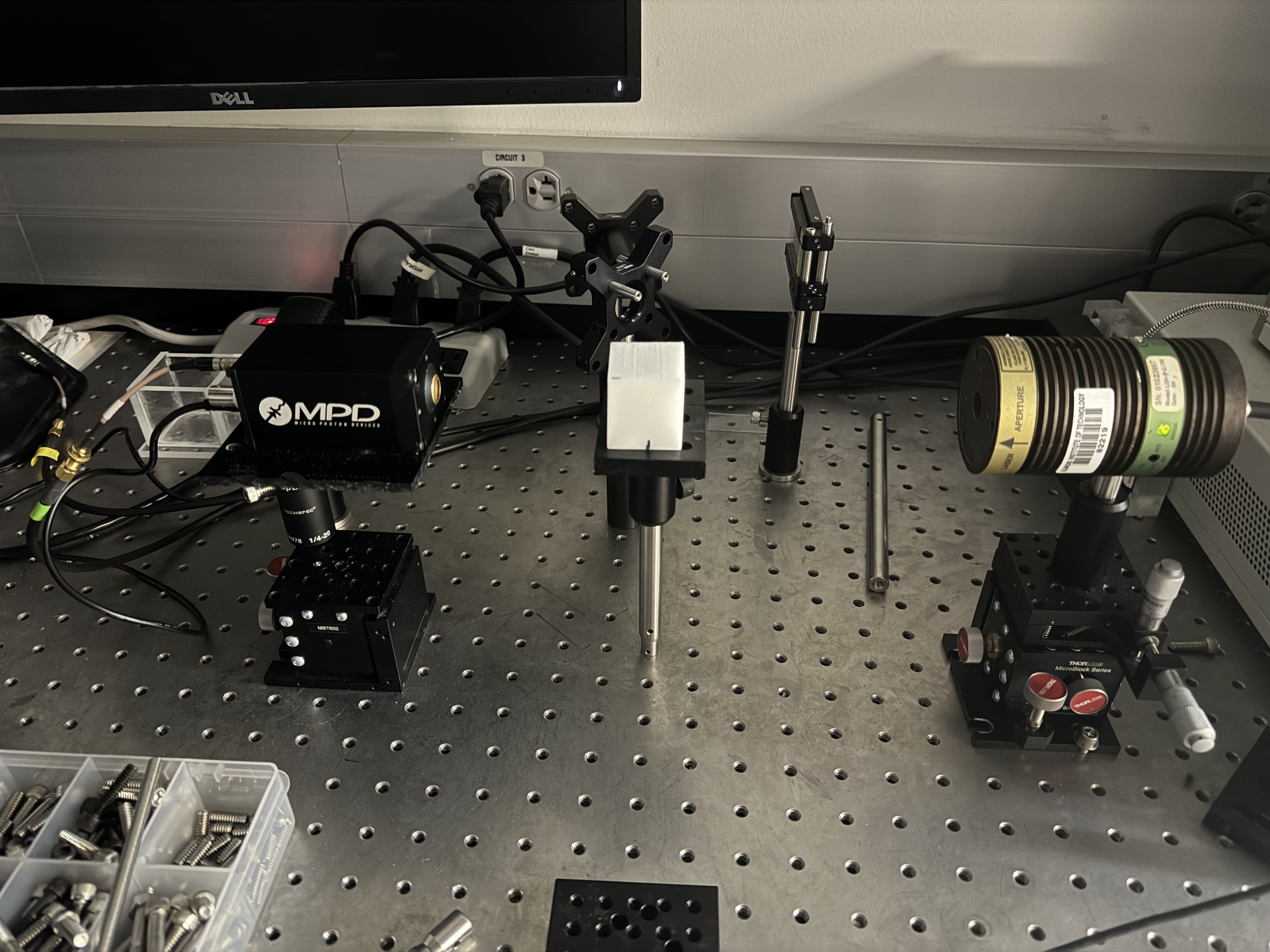
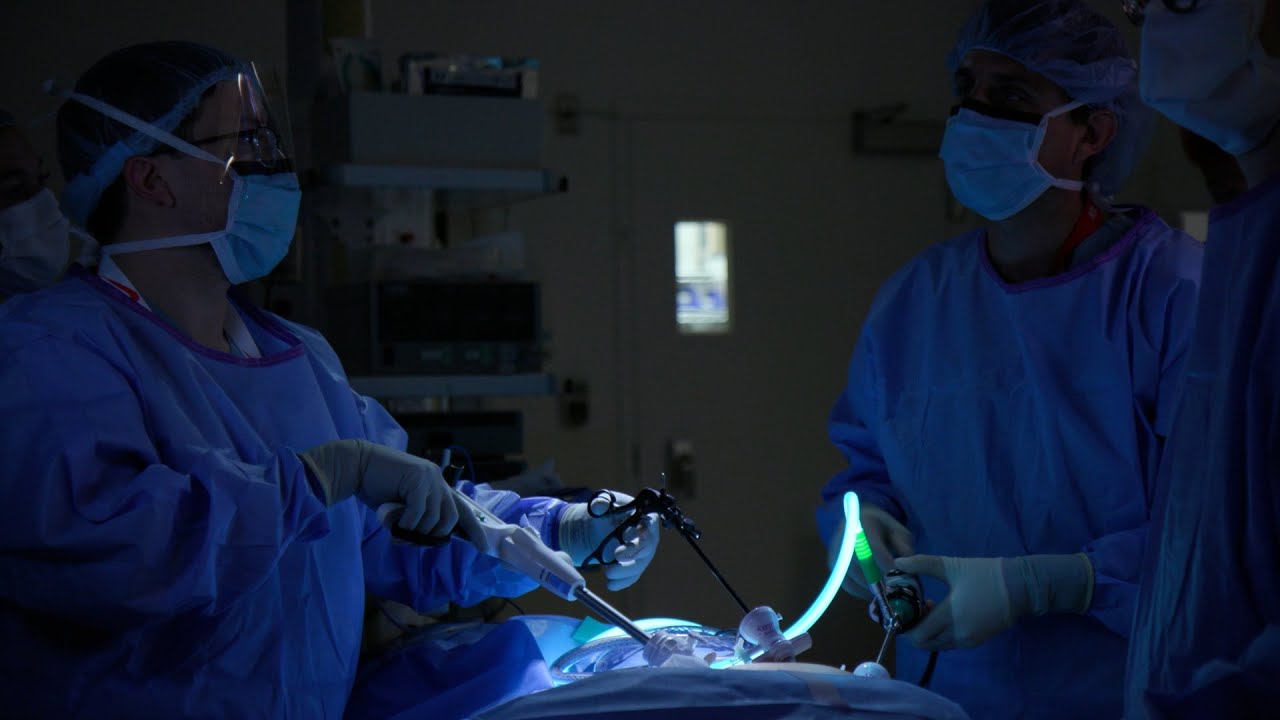
Develop a cancer specimen imaging system to provide immediate feedback to head and neck surgeons on the likelihood of residual cancer, allowing for extended excisions if necessary.


Research Projects
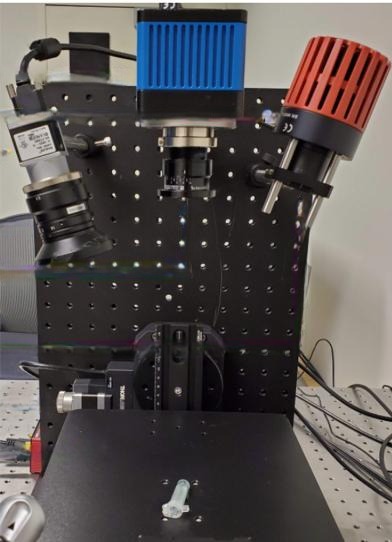
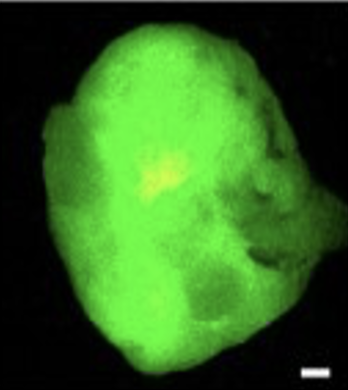
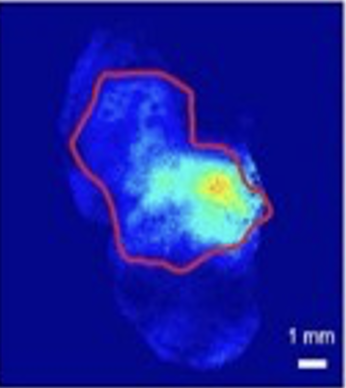
Clinically test an intraoperative dual-aperture fluorescence ratio (dAFR) imaging system and automated data analysis (ADA) approach that can accurately locate inadequate (positive and close) surgical margins on the entire basal surface of resected-tissue specimens in <1 min during head and neck squamous cell cancer (HNSCC) surgery.
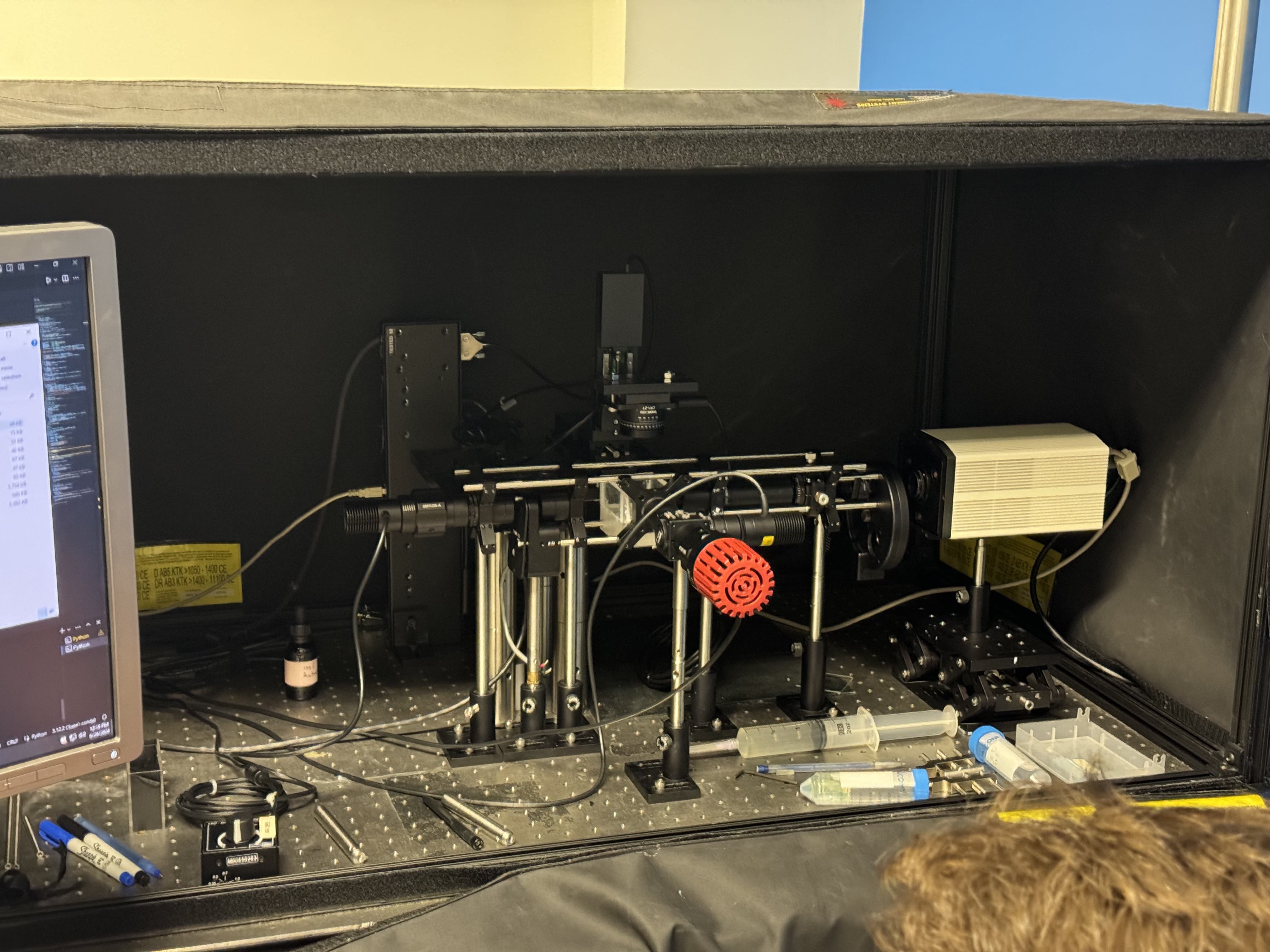
The overall objective of this proposal is to, refine, build, deploy, and evaluate an “agent-dependent enhanced fluorescence projection tomographic” (ADEPT) imaging technology/protocol for detection of cancer spread to sentinel lymph nodes (SLN)—first tumor draining lymph nodes.